Category: Bookkeeping

  • 9 Best Online Bookkeeping Services 2024

    bookkeeping fees

    And while it may not be the most glamorous topic, bookkeeping also plays a part. There are many aspects of being a business owner that drive success. There are a lot https://www.online-accounting.net/ of options (part-time vs. full-time, small business vs. freelancer, etc.), so we’ll look at each of them to help you make the best decision for your situation.

    Best Bookkeeping Certificate Online Programs

    Some bookkeeping services charge a monthly fee while others charge by the hour. You can find services for as little as $20 per month while others run thousands per month. A bookkeeper’s main responsibility is in the area of data management. This is the recording and processing of all of a company’s income and expense transactions. A bookkeeper would also verify that the company’s general ledger balances, and if not, troubleshoot to find the error.
    bookkeeping fees

    $200 – $1,000+ average cost per month (part-time)

    Basically, there are three main types of certifications available for bookkeepers. While hiring highly qualified professionals guarantees quality results, it does not come cheap. The more qualified the professional, the more they are likely to charge for their service. Bookkeepers do a lot of tedious work, but they can do it a lot more efficiently because they’re professionals. You’ll know the work is accurate, and your numbers will be in balance when your bookkeeper takes care of it. You may also consider throwing in other costs, like a fee for an initial consult, to your pricing structure.

    Factors That Affect Bookkeeping Rates

    It includes the time for setting up your chart of accounts, monthly reports, and integrating your financials to our system. Outsourcing also offers many benefits that you can’t get with an in-house bookkeeper. If you’re growing, the outsourced bookkeeping service should be able to help you scale by adding full service accounting when you are ready for it. If you have the expertise, you could increase your billable rate by offering payroll in addition to bookkeeping services.

    1. If you want your business to save time and money, then you should consider hiring a bookkeeping service.
    2. According to PayScale, a website that provides salary and compensation information for a wide array of industries, a bookkeeper on average earns approximately 41K annually.
    3. They can do work such as inputting receipts and tracking employee timesheets, accounts receivable and accounts payable.
    4. ED doesn’t necessarily approve all certificate programs at all accredited schools for federal student aid.

    What is the difference between bookkeeping and accounting?

    Depending on your bookkeeping needs, you can pay as little as $275 a month (when billed annually). In addition to bookkeeping and tax advice, plans come with accounting software like Xero and Quickbooks, mobile apps, and profit and loss statements. defining take-home pay How much a bookkeeper costs also depends on the payment arrangement. You’ll usually pay for bookkeeping services in one of the three ways—hourly, salary, or a flat fee. Online bookkeeping services can save business owners both time and money.

    To make things more complicated, a freelancer, small business, bookkeeping firm, or an accounting firm will offer different average rates for bookkeeping services. Your bookkeeper reconciles your accounts, categorizes your transactions, and produces your financial statements. They also make adjustments to your books to ensure they’re accurate and tax-compliant.

    Unintentional non-compliance can happen when a bookkeeper is not aware of the most recent rules or modifications. A lower hourly rate could save money, but the fines, audits, and potential legal disputes could offset those gains. Bookkeeping focuses on recording and organizing financial data, including tasks such as invoicing, billing, payroll and reconciling transactions. Accounting is the interpretation and presentation of that financial data, including aspects such as tax returns, auditing and analyzing performance. Even if you aren’t planning on growing any time soon, you need to have a sense of how much money is coming in versus what is going out.

    “ACCA-X has boosted my confidence when handling accounting tasks at work and now I’m ready to take up new responsibilities due to my proficiency.” Liz Simmons has been writing for various online publications about career development, higher education and college affordability for nearly a decade. Her articles demystify the college application process and help prospective students figure out how to choose a major or career path. Financing options for certificate-seeking students vary depending on the program and school. It can be more difficult to get funding for a certificate program than for a degree. Stay in touch with clients through the FreshBooks mobile app and get notified when invoices have been viewed or become overdue.

    The rates for each differ, and the total charge a small business pays will be reflective of the specialty chosen and the amount of work to be done. Often, these clients don’t have the budget to employ a full-time CPA or accounting firm, and that’s where we come in. We can step in as their virtual finance department, managing tasks on QuickBooks Online or other accounting software. The pricing for these clients might be lower, but remember, we’re establishing long-term relationships, and as their businesses grow, so too will their needs (and our compensation). They can offer perceptions, tax-saving methods, and guidance on prudent financial management.

    Remember, pricing isn’t just about covering costs; it’s about recognizing the value of the service provided. So when setting the prices, consider all these factors and how they contribute to the overall value delivered to the clients. When determining how to price bookkeeping services, there are several key factors to consider. These factors not only impact the time and effort required to deliver the service, but they also influence the perceived value of the service in the eyes of your clients. Remember, every client, regardless of size, is looking for a trusted financial advisor. As their bookkeeper, you’re not just offering them a service, you’re offering them peace of mind, and that’s a value they’re more than willing to pay for.

    That way, when it is time to file your small business taxes, you can easily access all the data you need. But who wants the task of sifting through receipts and organizing statements when there’s a whole slew of business operations to attend to? It may be time for you to make the executive decision of hiring a bookkeeper to take the reins. The AIPB certification program is ideal for someone who does not have any formal education in bookkeeping.
    bookkeeping fees

    Students take online classes asynchronously, making it convenient to fit the program around a full-time job or other responsibilities. Forbes Advisor’s education editors are committed to producing unbiased rankings and informative articles covering online colleges, tech bootcamps and career paths. Our ranking methodologies use data from the National Center for Education Statistics, education providers, and reputable educational and professional organizations. An advisory board of educators and other subject matter experts reviews and verifies our content to bring you trustworthy, up-to-date information. Can manually enter time in Essentials plan and higher; automatic time tracking costs extra. Like its name suggests, open-source software is open to the public, meaning anyone can access and tweak its code.

    Another type of accounting method is the accrual-based accounting method. This method records both invoices and bills even if they haven’t been paid yet. This is a highly recommended method because it tells the company’s financial status based on known incoming and outgoing funds. Because the funds are accounted for in the bookkeeping, you use the data to determine growth. Though often confused for each other, there are key differences between bookkeeping and accounting.

    After you sign up to Bench, a dedicated member of our team will assist you in connecting all your financial accounts securely to our platform. This enables you and your bookkeeper to work together seamlessly from the start. But if it’s more complex, like building out your financial outlook, you might be better off with hiring an accountant.

    To set the correct pricing, you need to start by assessing the various factors that affect your rate. Some are more impactful than https://www.business-accounting.net/bookkeeping-for-franchises-are-you-considering/ others, but they should all be considered. If you’re unsure if cash basis bookkeeping will work for your business, talk to us.
  • Everything You Need to Know About Sales Receipts

    receipt in accounting

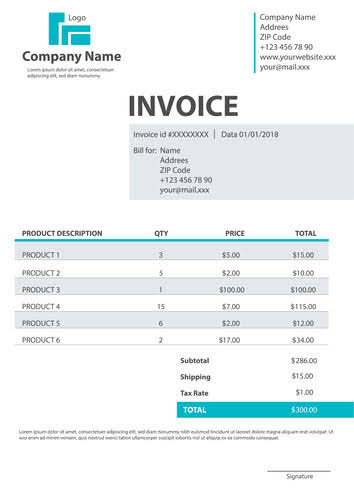
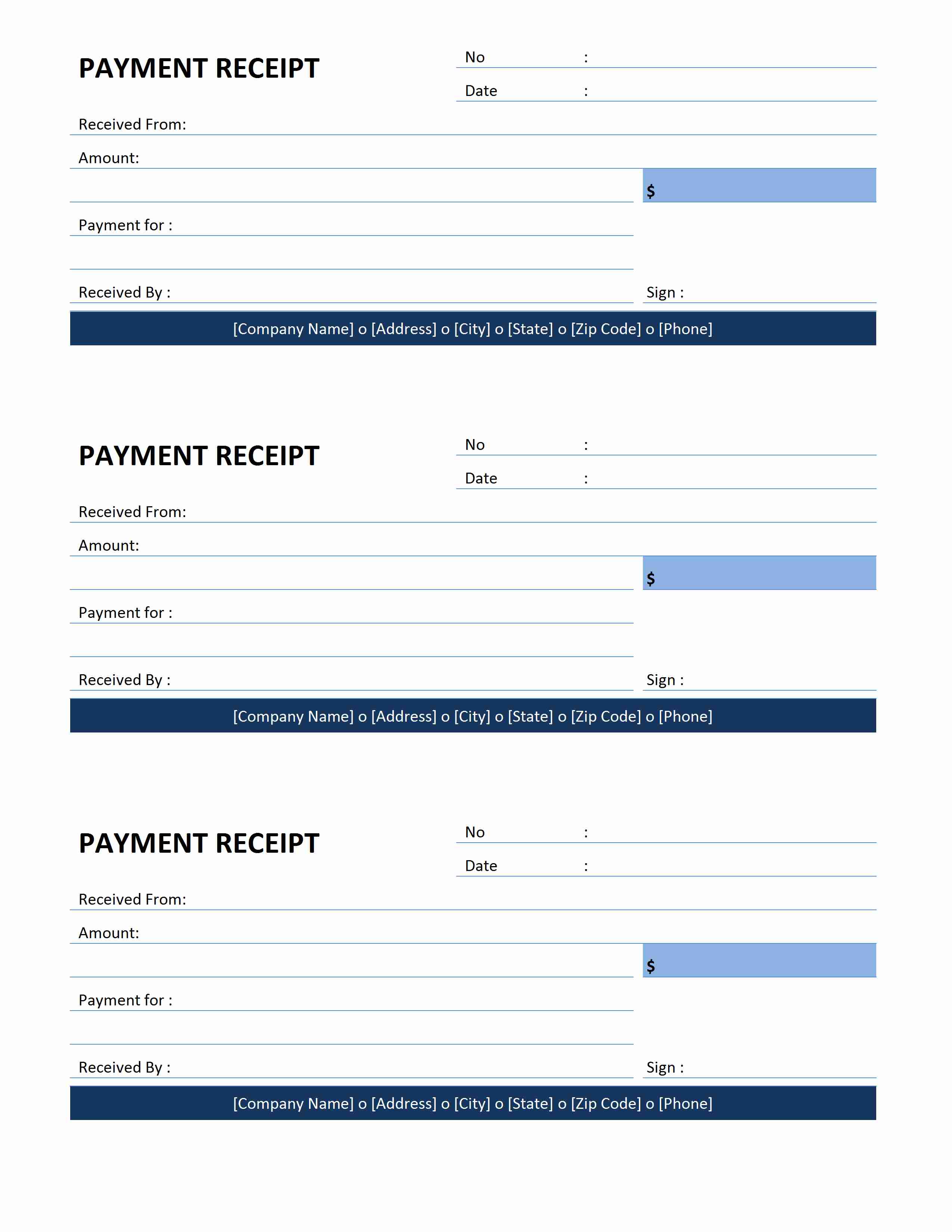
    In its most basic form, this document acknowledges that the seller has been paid for goods or services. The receipt serves as evidence of payment, not just for the seller but also for the customer. They are essential in the eyes of the tax authorities since they mandate that vendors pay the taxes on such sales.

    • They provide documentation of purchases and expenses, allowing for accurate record-keeping and budget management.
    • An invoice is used when a business has completed a customer’s order and needs to collect payment for the goods or services provided.
    • Understanding the importance of receipts, their characteristics, and best practices for their use can help ensure compliance, facilitate financial analysis, and prevent fraud.
    • For many different types of payments, individuals, businesses, and other organizations may provide a receipt.
    • This includes finding places to cut costs and negotiate better deals for services.
    • The receipt is automatically generated by the seller using a cash register.

    Related Term or Concept 1: Invoice

    receipt in accounting

    These electronic receipts also serve as valid proofs of purchase and are considered legally acceptable. Accurate record keeping allows you to track your company’s financial performance, create financial statements with ease, record deductible business expenses, and prepare tax returns. Companies and other entities use receipts to track their cash flows, reimburse eligible payments, or claim certain benefits on their taxes. In most cases, they include other details such as the nature of the transaction, details of the vendor, method of payment, and any additional taxes or costs.

    Is an invoice proof of purchase?

    For instance, they might issue a receipt for a check, cash in hand, or an online bank transfer. It’s because receipts serve as records and proof of payment, indicating that products and services were exchanged for money. Accounting involves recording, classifying, organizing, and documenting financial transactions and data for internal tracking and reporting purposes. Businesses of all sizes use accounting to remain legally compliant and measure and assess their financial health. The professionals who lead these efforts possess deep, detailed technical proficiencies often developed through a bachelor’s degree program in accounting. Receipts are particularly important for businesses and individuals who pay cash for items that they then wish to include in their tax returns.

    Why Should You Issue Receipts

    If you check out at a store using a credit card, you’ll receive a credit card receipt either by email or print. Business receipts are receipts that show a business transaction was made. Cash register receipts are old-school receipts and are great for those who cannot receive digital receipts. Reimbursement receipt in accounting receipts are receipts used by employees as proof of purchasing business-related expenses out of pocket. Digital receipts are also receipts that are sent electronically to your email, but they represent paper receipts. E-receipts, or electronic receipts, are receipts that originate on a computer.

    Manage Business Receipts with Fyle

    All of our content is based on objective analysis, and the opinions are our own. All receipts are grouped under headings such as entrance fees, annual subscriptions, lifetime subscriptions, donations, interest, and sundry receipts. The invention of paper in China around the 2nd century AD revolutionized receipts, making them lighter, more portable, and easier to produce. Clay tokens dating back to Mesopotamia (around 3000 BC) are considered some of the earliest examples. Terms, conditions, pricing, special features, and service and support options subject to change without notice.

    How to Craft and Implement an Effective Travel Expense (T&E) Policy in 6 Steps

    Cash receipts are the collection of money (cash) from your customers. These increase the cash balance recognized on a company’s balance sheet. This is especially true for people who work in industries that don’t deal with physical cash. In a cash book, each item is recorded separately in chronological order. However, the items in a receipts and payments account are recorded in classified form under different headings. First, a receipts and payments account is a summarized form of a cash book.

    Shoeboxed is an expense & receipt tracking app that helps you get reimbursed quickly, maximize tax deductions, and reduce the hassle of doing accounting. If you carry a standard set of products, you can simply save each item as an inventory listing. When you create a receipt, you can auto-populate the line item field with your saved products. Many businesses offer written acknowledgment as a customer receipt for money received. However, this can result in manual errors, leading to bad business since a written statement can get lost, smudged, or torn.

    A receipt serves as documentation for the buyer that the amount owed for the goods or services has been paid. A sales receipt is a written document you receive from a seller after you purchase goods or services. It acts as documented proof of a financial transaction, verifying that you’ve paid for the items you received or the service that was rendered. This data can then be imported into accounting software or expense tracking software, making it easy for businesses to manage their expenses and keep accurate records.

  • Best Business Bank Accounts of November 2024

    accounts for small business

    Plus, users pay no ATM fees and get unlimited reimbursements on those charged by ATM owners. It’s best to set aside 30 minutes to an hour to open a business bank account. But the timeframe can be shorter or longer depending on the paperwork you need and whether you’re applying online or in person. Oftentimes, banks will tell you on their website about how long the application process takes. Business bank accounts with lower and fewer fees, wider accessibility, better digital and customer experience scores and lower minimum deposit and balance requirements were ranked higher.

    Or you can elect to invest your money in a money market fund that pays 4.47% as of August 29, 2024. Most banks don’t check your personal credit score when you apply for a business bank account. So having bad personal credit typically won’t prevent you from opening a business checking account. There’s no pressure to save a lot because all balances earn the same rate, and you only need a balance of $300 to waive the $5 monthly fee.

    accounts for small business

    How to choose a business checking account

    1. You might choose to use document management software to keep track of key financial information and statements.
    2. Tax management features include real-time tax estimates, write-off tracking, auto-generated tax forms and auto-saving for taxes.
    3. Even if you’re simply working a side hustle, having a business checking account speaks to your credibility and professionalism.
    4. It also earns 0.50% APY for accounts with an average daily balance of $10,000 and reimburses up to $10 per month in ATM fees.
    5. An EIN is also known as a federal tax identification number (FTIN) and is used to identify a business entity.

    In contrast, a small business savings account stores funds you don’t need immediately. It generally provides higher interest rates than checking but may have monthly withdrawal limits. It’s a low-risk place to hold emergency reserves and collect interest on cash you don’t need right now. The EverBank Business Money Market pays from 1.35% to 2.35%% APY and can be used to provide overdraft protection for your EverBank checking account.

    How to choose a business bank account

    LendingClub is known for business loans, but its checking rewards put it on the map as a great option for small businesses. LendingClub offers unlimited 1% cash back on purchases, making it a great option for maximizing your spending rewards. LendingClub’s checking account also offers up to 3.35% APY, plus unlimited ATM rebates. The required documents to open a business checking account will ultimately depend on the institution you choose. Depending on the account type, you may also need to be prepared to make an initial opening deposit.

    Whether you are a sole proprietor or a business owner with employees, your business needs a business checking account. For tax purposes, it’s important to separate your personal finances from your business finances right from the start. what is customer profitability analysis Even if you’re simply working a side hustle, having a business checking account speaks to your credibility and professionalism. Though banks may not check your credit as part of the business checking account application, they may pull your ChexSystems report to see how you’ve managed bank accounts in the past. Limited liability companies (LLCs), sole proprietors, corporations and partnerships can all open business checking accounts. A business as small as a one-person consulting firm or as large as a 10,000-employee software company can set up a business checking account.

    Relay’s Business Checking account has no monthly fees and unlimited transactions. Customers can operate up to 20 separate checking accounts and 50 Visa debit cards with spending limits, so it’s easy to organize your money and know where it’s going. It can also be synced with QuickBooks or Xero to code and reconcile every transaction quickly, and Relay or Gusto for payroll data.

    How we choose the best business checking accounts

    Formerly TIAA bank, EverBank is an online bank with nine branch locations in Florida. This business checking account offers a balance of features, including low fees and 200 free transactions monthly. This is where you can deposit and withdraw money, pay bills and make purchases. Most business checking accounts come with a debit card and possibly a checkbook for transactions. Bank of America charges a $10 overdraft fee per item, up to two times daily.

    Similar to other online business accounts, Novo does not have physical locations and does have transaction limits. This account is best for business owners who prefer doing their banking in person and will qualify to waive the maintenance fee every month. We don’t like that this account has a high monthly fee and a high minimum balance requirement of at least $100 to waive it. We picked the Axos Bank Business Interest Checking account because it offers several free business services and earns competitive interest. It also comes with access to dedicated Axos Bank relationship managers. We don’t like that balances below $10,000 don’t earn interest with this account.

    Low fees combine with a 0.50% APY on checking balances for a solid account for any business owner who needs a moderate volume of transactions processed. The NBKC Bank Business Checking Account is best for smaller businesses that want to save on banking and have the flexibility to let their balances fluctuate. It’s ideal for those without complicated money management or app integration needs. Although the NBKC online platform and mobile app are user-friendly, they’re more basic than offerings from other banks and don’t have many business-specific tools for budgeting and accounting.

  • What is Accounting? Definition, Objectives, Advantages, Limitation, Process

    accountancy meaning

    Cost accountancy provides valuable information about the cost structure of the organization, which helps in making informed decisions about capital expenditures and operating expenses. Cost accountancy reports are used by securities analysts to evaluate the company’s financial performance. They use this information to determine the company’s stock price and to make investment recommendations. Another important aspect of cost accountancy is its role in cost controls. It helps management in implementing cost controls by providing data on the cost of production, cost of sales, and other related costs.

    Ways To Manage Your Business Accounting

    • Depreciation is the systematic allocation of the cost of a tangible asset over its useful life.
    • For example, if a business purchases $5,000 worth of merchandise on account, this refers to the purchase of the goods on credit and deferral of payment.
    • Our work has been directly cited by organizations including Entrepreneur, Business Insider, Investopedia, Forbes, CNBC, and many others.
    • Accounting is the interpretation and presentation of that financial data, including aspects such as tax returns, auditing and analyzing performance.
    • Cost accountancy is the process of recording, classifying, analyzing, and interpreting costs to provide information for decision-making.
    • 11 Financial may only transact business in those states in which it is registered, or qualifies for an exemption or exclusion from registration requirements.

    Many accounting practices have been simplified with the help of accounting accountancy meaning computer-based software. These systems can be cloud based and available on demand via application or browser, or available as software installed on specific computers or local servers, often referred to as on-premise. These tasks are handled by the billing clerk, payables clerk, cashier, and payroll clerk, respectively. The outstanding balance remains until cash is paid, in full, to the entity owed. Cost accountancy also helps in identifying areas where costs can be reduced, which can lead to lower transfer prices. Cost accountancy also helps in identifying areas where costs can be reduced, which can lead to significant savings.

    Concept of Accounting Process

    • Then, using this cost information, a company may decide to switch to a lower quality, less expensive type of raw materials.
    • A Journal Entry is the initial step in the accounting cycle, recording the financial transactions of a business.
    • Yield refers to the return on investment (ROI) or the rate of return earned.
    • Every budget line item must be evaluated and justified based on its merits and expected benefits.
    • Unearned Revenue, or deferred revenue or advance payments, represents the money a company receives for goods or services not yet delivered.

    Cost accountancy plays a vital role in the preparation of financial statements and reporting. It provides information on revenues, expenses, assets, liabilities, and financial performance. Accounting is the practice of tracking your business’s financial data and interpreting it into valuable insights. This allows you to generate crucial financial statements, such as a balance sheet, cash flow statement, and profit and loss report. It sounds simple, but in reality, a lot of behind-the-scenes work goes into accurately reporting on a business’s financial state. In the case of Limited Liability Companies, the Cash Flow Statement is also prepared.

    accountancy meaning

    Methods of Accounting

    Even though it won’t actually perform the work until the next https://www.instagram.com/bookstime_inc month, the cash method calls for revenue to be recognized when cash is received. When the company does the work in the following month, no journal entry is recorded, because the transaction will have been recorded in full the prior month. International public companies also frequently report financial statements in accordance with International Financial Reporting Standards (IFRS).

    Consumers of Financial Services

    accountancy meaning

    It is concerned with the recording of business transactions and the periodic preparation of income statement, balance sheets and cash flow statement from such records. Revenue Recognition is the recording of Revenue on the financial statements when it is earned and realizable. It involves determining the timing and amount of revenue recognition based on generally https://www.bookstime.com/articles/what-are-income-statement-accounts accepted accounting principles (GAAP) or applicable accounting standards. Proper revenue recognition ensures accurate financial reporting and compliance. Financial accounting refers to the processes used to generate interim and annual financial statements.

    Debit What Comes In, Credit What Goes Out (Real Accounts)

    For example, when goods are purchased for cash, there is a movement of goods from the seller to the buyer and a movement of cash from buyer to the seller. Transactions may be external (between a business entity and a second party, e.g., goods sold on credit to Hari or internal (do not involve a second party, e.g., depreciation charged on the machinery). Accounting information is not without personal influence or bias of the accountant. In measuring income, accountant has a choice between different methods of inventory valuation, deprecation methods, treatment of capital and revenue items etc. Hence, due to the lack of objectivity income arrived at may not be correct in certain cases. Interested parties like owners, creditors, management, employees, customers, government, etc. are interested in accounting information.

    Most other countries, including Canada, Australia and Mexico, follow the rules set down by the IFRS (International Financial Reporting Standards) Foundation, which is headquartered in London, England. When I was studying accountancy, I bought every authoritative publication on the subject. Mesmerise is planning a VR conference for a global accountancy firm in September and Hawken says the technology can be used for more regular engagements, such as business meetings, board meetings and one-on-ones.

    Skills and Qualifications of an Accountant

    In simple words, it is the means through which the financial performance and position of the business entity, are communicated to the users of the financial statement. Working Capital represents the difference between a company’s current assets and liabilities. It reflects the company’s ability to meet short-term obligations and finance day-to-day operations. Positive working capital indicates a company’s liquidity, while negative working capital may indicate potential financial difficulties. Depreciation is the systematic allocation of the cost of a tangible asset over its useful life. It reflects the asset’s value decrease due to wear and tear, obsolescence, or other factors.

    accountancy meaning

    For a breakdown on the differences between an accountant and a CPA, check out “Is a CPA the Same as an Accountant? Inaccurate reporting can also result in legal problems with external parties, such as investors or the IRS (Internal Revenue Service). Currently, 42 businesses share the space, chasing their dreams in catering, cosmetology or accountancy. In recent years, there has been a growing demand on the part of stakeholders for information concerning the social impacts of corporate decision making. Increasingly, companies are including additional information about environmental impacts and risks, employees, community involvement, philanthropic activities, and consumer safety.

  • What an ACH payment is and how an ACH transfer works

    accept ach payments

    Transaction types include government, consumer, and business-to-business transactions, as well as international payments. ACH bank transfers through Square are a simple, secure, and cost-effective way to get paid from anywhere. The ODFI aggregates multiple ACH requests and forwards them in batches at predetermined times throughout the day to one of the ACH operators—either the Federal Reserve or The Clearing House. These ACH operators then sort the transactions and route them to the appropriate “Receiving Depository Financial Institutions” (RDFIs), which hold the recipients’ accounts. The best way to avoid chargebacks is to make sure that you offer excellent customer service to those who buy your products or services. If there is an issue, be sure that you have a refund policy in place and offer refunds when necessary.

    Common Challenges of Accepting ACH Payments

    accept ach payments

    ACH payments could be processed within a day or two, but could take up to 3–10 business days, depending on the banks involved. ACH payments are transfers of funds between accounts at different financial institutions, made using the ACH network. Some payment processing providers, like Stripe, offer additional services related to ACH payments, such as the option to use microdeposits. It allows customers to purchase high-priced items without worrying about credit card spending limits. And for specific types of transactions and recurring payments, ACH transfers are an easy way for businesses to reduce the time and money spent on processing transactions.

    • Plus, why not incorporate a pricing strategy that offers a discount for ACH payments?
    • While debit and credit card payments are also electronic, they use different payment networks managed by companies like Visa, Mastercard, and American Express.
    • We believe everyone should be able to make financial decisions with confidence.
    • Square is one of the most accessible ways for new businesses to accept credit cards and, as it turns out, ACH payments as well.
    • Businesses that pay lots of vendors often have a payment system set up to facilitate ACH payments, so all you have to do is give them your bank information.

    Transaction limits

    ACH can be a great low-cost alternative to credit cards, but it’s not always an ideal solution. For example, ACH is well-suited for billing subscriptions https://celz.ru/social/dlya-zhenshchin/page/12/ and B2B transactions but can be cumbersome to use at point-of-sale. PayPal accounts don’t facilitate ACH payments, but PayPal-owned Braintree does.

    accept ach payments

    What are typical ACH processing times?

    This means a landlord can request an ACH transaction each month to cover the cost of the tenant’s rent payment. It is secure, easy, and requires setting up on both the tenant and landlord sides. Things like ACH fraud are rare, so it is not only convenient but also protects a tenant’s direct deposit. There are alternative payment methods to ACH https://tech01.us/5-uses-for-3/ that offer distinct features and business considerations. Wire transfers cater to urgent, high-value transactions, while payment card networks such as Visa and Mastercard lead the market in overall transaction volume. Services such as PayPal are popular for online payments, with PayPal reporting more than 400 million active accounts in 2023.

    Are ACH deposits available immediately?

    ACH credit transactions involve the transfer of funds from the sender’s bank account to the recipient’s bank account. When your transactions number in the hundreds, however—and your debtors and credits are spread across the United States—paper http://ufmssk.ru/category/gadgeti/zhelezo/index.html checks become a much less efficient way to receive and send money. It’s the means by which trillions of dollars move between bank accounts each year. ACH payment acceptance saves small businesses money while improving customer experiences.

    accept ach payments

    How much does it cost to send an ACH payment?

    • Ensure the company charges reasonable fees, forwards payments promptly and has an easy-to-use dashboard to manage your account.
    • If not, you can get started sending and requesting payments through Zelle® on your phone—it’s fast, free and available on the Capital One Mobile app.
    • At Forbes Advisor, we take into account several factors of an ACH payment processing company to determine which is the best for specific businesses.
    • Because an ACH payment is directly through banks, it’s easy for you to track sales in your bank statements and easy for customers to track payments.
    • It also tends to be easier to dispute ACH charges compared with credit card charges.

    Stripe Payments: Best For eCommerce Businesses

    ACH Payments for Small Businesses

  • Breakeven Point: Definition, Examples, and How to Calculate

    bep definition

    In contrast to fixed costs, variable costs increase (or decrease) based on the number of units sold. If customer demand and sales are higher for the company in a certain period, its variable costs will also move in the same direction and gross vs net increase (and vice versa). For options trading, the breakeven point is the market price that an underlying asset must reach for an option buyer to avoid a loss if they exercise the option. The breakeven point doesn’t typically factor in commission costs, although these fees could be included if desired. 💡BONUS TIPThere’s quite a significant relation between the contribution margin and variable costs of your products.

    bep definition

    Call Option Breakeven Point Example

    bep definition

    Running this analysis will force you to consider all the cost components that exist when selling products online. Break-even analysis can also provide data that can be useful to the marketing department of a business as well, as it provides financial goals that the business can pass on to marketers so they can try to increase sales. The break-even point is one of the simplest, yet least-used analytical tools. Identifying a break-even point helps provide a dynamic view of the relationships between sales, costs, and profits. For example, expressing break-even sales as a percentage of actual sales can help managers understand when to expect to break even (by linking the percent to when in the week or month this percent of sales might occur). This could be done through a number or negotiations, such as reductions in rent payments, or through better management of bills or other costs.

    bep definition

    Knowing Changes in Profit Value

    The breakeven point (BEP) formula in corporate accounting is calculated by dividing the total fixed costs of production by the revenue per unit less the variable expenses per unit. In this context, fixed costs are those constant expenses regardless of the number of units sold. The breakeven formula for a business provides a dollar figure that is needed to break even. This can be converted into units by calculating the contribution margin (unit sale price less variable costs). Dividing the fixed costs by the contribution margin will reveal how many units are needed to break even. Calculating the contribution margin will allow you to translate this to units (unit sale price less variable costs).

    • One major downside is its reliance on the assumption that costs can be neatly divided into fixed and variable categories.
    • At that breakeven price, the homeowner would exactly break even, neither making nor losing any money.
    • If a business doesn’t meet this level, it often becomes difficult to continue operation.
    • The Break-Even Point (BEP) is the inflection point at which the revenue output of a company is equal to its total costs and starts to generate a profit.
    • But also experienced business owners should pay close attention to the power behind the break-even analysis.
    • 11 Financial may only transact business in those states in which it is registered, or qualifies for an exemption or exclusion from registration requirements.

    BEP Based on Total Production Costs

    bep definition

    If a business doesn’t meet this level, it often becomes difficult to continue operation. Let’s say that we have a company that sells products priced at $20.00 per unit, so revenue will be equal to the number of units sold multiplied by the $20.00 price tag. The Break-Even Point (BEP) is the inflection point at which the revenue output of a company is equal to its total costs and starts to generate a profit. The breakeven point is important because it identifies the minimum sales volume needed to cover all costs, ensuring no losses are incurred. It aids in strategic decision-making regarding pricing, cost control, and sales targets. Assume that an investor pays a $5 premium for an Apple stock (AAPL) call option with a $170 strike price.

    • The break-even point is the point where total revenue equals total costs, meaning the business neither gains nor loses money.
    • A higher contribution reduces the number of units needed to break even because each unit contributes more towards covering fixed costs.
    • That’s why you should always try to negotiate a better price if you buy more raw materials or products from your suppliers, once your sales volume increases.
    • So, how can you quickly and easily determine if a business has reached BEP?
    • In other words, your contribution margin might vary from month to month, especially when you’re selling multiple products at the same time.

    Create a Free Account and Ask Any Financial Question

    • On the other hand, if you’re selling goods with low production costs and want to increase the number of sales, value pricing might be the strategy to go with.
    • The breakeven formula gives the amount needed to break even for a firm.
    • Upon doing so, the number of units sold cell changes to 5,000, and our net profit is equal to zero.
    • Otherwise, the business will need to wind-down since the current business model is not sustainable.
    • The break-even point can be affected by a number of factors, including changes in fixed and variable costs, price, and sales volume.
    • Note that in the prior example, the fixed costs are “paid for” by the contribution margin.

    For example, semi-variable costs, which have both fixed and variable components, can complicate the accuracy of the breakeven calculation which then changes the breakeven point in units. Note that in the prior example, the fixed costs are “paid for” by the contribution margin. The more profit a company makes on its units, the fewer it needs to sell to break even. The break-even point (BEP) in economics, business—and specifically cost accounting—is the point at which total cost and total revenue are equal, i.e. “even”. The break-even analysis was developed by Karl Bücher and Johann Friedrich Schär.

    bep definition

    Ask Any Financial Question

    As a result of the economies of scale effect, your costs come down, and your margins improve if you increase the sales of your product. That’s why you should always try to negotiate a better price if you buy more raw materials or products from your suppliers, once your sales volume increases. The break-even value is not a generic value as such and will vary dependent on the individual business. However, it is important that each business develop a break-even point calculation, as this will enable them to see the number of units they need to sell to cover their variable costs. Each sale will also make a contribution to the payment of fixed costs as well.

    It Helps you to Identify the Right Pricing Strategy for Your Business

    It is the output level when total production income and total production expenses are equal in accounting terms. This method calculates the break-even point based on total production costs per unit. The total variable costs will therefore be equal to the variable cost per unit of $10.00 multiplied by the number of units sold. Calculating breakeven points can be used when talking about Coffee Shop Accounting a business or with traders in the market when they consider recouping losses or some initial outlay. Options traders also use the technique to figure out what price level the underlying price must be for a trade so that it expires in the money. A breakeven point calculation is often done by also including the costs of any fees, commissions, taxes, and in some cases, the effects of inflation.

  • T Account What Is It, Examples, Format, Related Terminologies

    a t-account is

    The standard T-account structure starts with the heading including the account name. The left column is always the debit column while the right column is always the credit column. A financial professional will offer guidance based on the information provided and offer a no-obligation call to better understand your situation.

    How Are T Accounts Used in Accounting?

    The remainder is the shareholders’ equity, which would be returned to them. A T-account is a graphic representation of the accounts in your general ledger. The resulting charts are formed in a “T” shape, giving meaning to its name. T-accounts have the account name listed above the T, and the debits and credits make up the left and right sides, respectively. Well organized T accounts are the first step in the bookkeeping and accounting process.

    T- Account Recording

    • Regardless of how the accounting equation is represented, it is important to remember that the equation must always balance.
    • A T-account is a visual aid used to depict a general ledger account.
    • The balance on a T-Account is calculated by first totaling up all debits and adding them together.
    • Accounts payable (AP) are considered liabilities and not expenses.
    • Well organized T accounts are the first step in the bookkeeping and accounting process.
    • In the following example of how T accounts are used, a company receives a $10,000 invoice from its landlord for the July rent.

    Then, the two involved accounts are your cash account and your revenue account. I’m going to go through a really easy example to show double-entry accounting using T accounts in action. Let’s say you just sold a one-year premium subscription for $20,000 and your client paid in cash. The double-entry system helps prevent errors, while the T accounts can be logically ordered to make it easy to find specific transactions quickly.

    Everything You Need To Build Your Accounting Skills

    The accounting equation is also called the basic accounting equation or the balance sheet equation. For example, if a company becomes bankrupt, its assets are sold and these funds are used to settle its debts first. Only after debts are settled are shareholders entitled to any of the company’s assets to attempt to recover their investment. An assumption that determines the order in which costs should flow out of a balance sheet account (e.g. Inventory, Investments, Treasury Stock) when the item is sold. For an illustration of the cost flow assumption, see Explanation of Inventory and Cost of Goods Sold.

    • In double-entry bookkeeping, every transaction affects two accounts at the same time (hence the word double).
    • The chart of accounts is organized by the order of each account’s appearance in the financial statements, starting with the balance sheet and continuing with the income statement.
    • Read on to learn about the different types of accounts with examples, dive into sub-accounts, and more.
    • The account title is written above the horizontal part of the “T”.
    • Debits to revenue and gains can reduce the account balance, while credits increase it.

    Because accounts payables are expenses you have incurred but not yet paid for. Assets and expenses increase when you debit the accounts and decrease when you credit them. Liabilities, equity, and revenue increase when you credit the accounts and decrease when you debit them. In other words, the total amount https://www.bookstime.com/ of all assets will always equal the sum of liabilities and shareholders’ equity. In this form, it is easier to highlight the relationship between shareholder’s equity and debt (liabilities). As you can see, shareholder’s equity is the remainder after liabilities have been subtracted from assets.

    • A double entry system is time-consuming for a company to implement and maintain, and may require additional manpower for data entry (meaning, more money spent on staff).
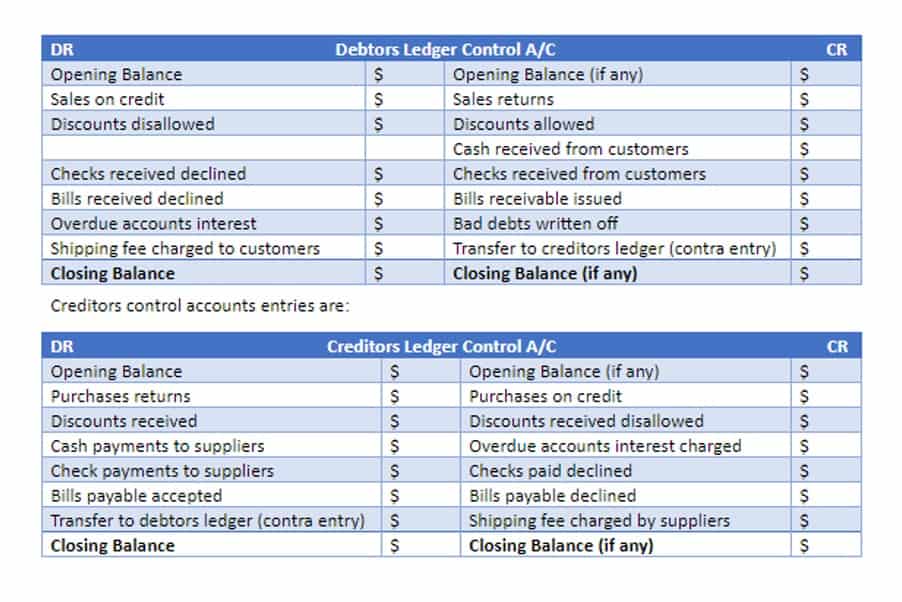
    • A T account resembles the letter T and visually represents the debit and credit entries of financial transactions.
    • Here are some accounts and sub-accounts you can use within asset, expense, liability, equity, and income accounts.
    • With Deskera you can effortlessly manage and oversee your invoices, credit notes, business expenses, financial reports all in one place.
    • It instructs accountants on entering entries into a ledger to achieve an adjusted balance, ensuring that revenues equal expenses.
    • As a small business owner, you need to understand how your general ledger maintains balance.

    T accounts are also used by even experienced accountants to clarify the more complex transactions. These terms are essential for keeping the balance between assets, liabilities, and equity in the accounting equation since they indicate a rise or decrease in account balances. A T account resembles the letter T and visually represents the debit and credit entries of financial transactions.

    In the company’s books, these transactions are documented as journal entries. When you’re running your own business, you probably don’t have a ton of spare time to journalize transactions and write down T accounts into the ledger by hand. After assessing what debit and credit entry applies to each specific account, T accounts can be created. Depending on the type of business you own, you may have more or fewer current and long-term assets. Modified cash-basis and accrual accounting use the same accounts, which are advanced accounts such as AP and long-term liabilities. Generally, businesses list their accounts by creating a chart of accounts (COA).

    • You also want something that can be picked up by anybody and understood.
    • This editorial content is not provided by any financial institution.
    • T-accounts are an essential accounting instrument that makes it easier to visualize financial transactions in the context of double-entry accounting.
    • Simply connect your account to QuickBooks or upload a .csv file and everything from your T accounts is there for you.
    • When you’re ready to use T-accounts, you can use them separately, in order to view journal entry details, or you can enter the transaction directly into your journal.
    • Our mission is to empower readers with the most factual and reliable financial information possible to help them make informed decisions for their individual needs.

    Finally, the total amount balance for each account is shown at the bottom of the account. Then, these journal entries are transferred into the general ledger, in the form of T accounts. The ledger is more summarized and brief, in comparison a t-account is to the journal. The debit entries entered on the left side of the T account should always balance with the right side, or credit side of the account. Yes, similar to journal entries, T accounts should also always balance.

    a t-account is

    Real-world examples

    a t-account is

    You also want something that can be picked up by anybody and understood. You don’t want a tax official, VC, bank, or anyone else confused by your work. The last thing you want is to miss out on a needed loan or investment because someone couldn’t understand your books. Above the T is the name of the account, and the T account is then separated into left (debit) and right (credit) sides. This can help prevent errors while also giving you a better understanding of the entire accounting process.