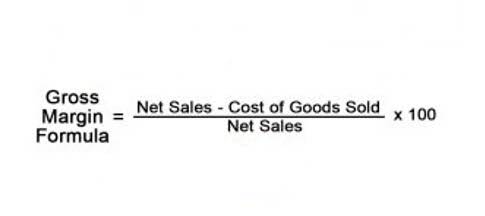
PP&E turnover, or fixed asset turnover, is an efficiency ratio. It shows how well a business uses its fixed assets in order to generate sales. The ratio divides Food Truck Accounting net sales by net fixed assets over an annual period.

Get in Touch With a Financial Advisor
Finance Strategists has an advertising relationship with some of the companies included on this website. We may earn a commission when you click on a link or make a purchase through the links on our site. All of our content is based on objective analysis, and the opinions are our own. No, Property, Plants & Equipment is not considered a current asset as it has a useful life that extends beyond one year from the balance sheet date.
What are Plant Assets? – Financial Accounting
Compared to Exxon’s total assets of over $354 billion for the period, PP&E made up the vast majority of total assets. As a result, Exxon would be considered a capital-intensive company. Some of the company’s fixed assets include oil rigs and drilling equipment.
Is Property, Plants and Equipment a Current Asset? FAQs
- The method in which the asset has been financed has an impact on the financial viability of the company.
- Additionally, PP&E assets are assigned a lifespan, meaning how many years they will be of value to the company.
- Intangible assets are nonphysical assets, such as patents and copyrights.
- This is in ways that could potentially help increase the company’s profitability.
- The PP and E account is important for the operations of a firm because it gives the company the resources necessary to produce its products.
Property, Plant, and Equipment (PP&E) represent the tangible assets utilized by businesses in their daily operations. Known interchangeably as fixed assets or plant assets, PP&E includes items like buildings, land, machinery, and vehicles. These assets are fundamental to a what are plant assets company’s operational infrastructure and support the generation of revenue over time. The PP and E account is important for the operations of a firm because it gives the company the resources necessary to produce its products. All fixed assets are recorded at their purchase price and listed on the balance sheet at their historical cost. As time goes on, the assets are depreciated each period slowly decreasing their book value reported.

This means when a piece of equipment is purchased an expense isn’t immediately recorded. Instead, the cost of the asset is allocated over its useful life. ZKB, Inc. recently purchased a milk-processing plant at a cost of $28 million. Freight for delivery of the plant components to the installation site amounted to $0.2 million. The installation contractor was gross vs net paid an amount of $2 million which included all the costs related to installation, i.e. locally manufactured assembly components, labor, etc. An independent firm carried out inspection at a cost of $0.5 million.
- Current assets are any assets that will provide an economic benefit for or within one year.
- This is especially important later because the depreciation recorded on the buildings affects reported income, while no depreciation is taken on the land.
- Such impairment losses are accumulated in ‘accumulated impairment loss account’ and subtracted from the cost of the asset.
- Examples include auto manufacturers, oil companies, and steel companies.
- In the examples here, you can see how PP&E is listed under a company’s assets.
Leave a Reply