In today’s interconnected globe, trainee areas play a pivotal function fit academic and personal experiences.

These areas are not simply collections of individuals but are dynamic ecological communities that promote growth, discovering, and collaboration among pupils. They vary commonly in form and function, from campus-based teams to global online forums, each offering distinct possibilities for engagement and development.
Whether you are tipping onto an university university for the first time or participating in online discovering settings, recognizing the framework and advantages of student communities can significantly enhance your educational journey. This short article delves into the significance of pupil communities, checking out how they operate, the advantages they provide, and the methods which they can be leveraged for individual and academic success.
Comprehending Pupil Areas
Student neighborhoods are foundational to the scholastic experience, functioning as both social and instructional support group. At their core, these neighborhoods are groups created naturally by pupils that share usual interests, objectives, or fields. They can be informal, such as study groups, or official, like student unions and clubs.
These neighborhoods are defined by a shared identification and the collective quest of understanding, abilities, and experiences. They act as systems for trainees to attach, work together, and contribute to each various other’s development, prolonging past academic limits to influence individual development and community engagement.

In essence, student areas are microcosms of bigger societal structures, where leadership abilities are refined, ideas are exchanged, and long-lasting friendships are formed. The interactions within these areas show a varied mix of cultural, intellectual, and social dynamics.
- Networking Opportunities: Pupil communities provide a network of peers and coaches who can use support and advice.
- Ability Development: Taking part in area crowdsourced education activities assists trainees create crucial abilities such as communication, management, and teamwork.
- Resource Accessibility: These neighborhoods typically offer access to scholastic sources, including research study materials and expert recommendations.
- Social Interaction: They supply a system for social interaction, alleviating the shift right into brand-new scholastic settings and helping to fight seclusion.
Via these numerous functions, trainee areas end up being essential to the holistic development of students, laying a structure for future professional and individual success.
The Advantages of Participating In Trainee Areas
The benefits of taking part in trainee areas are multifaceted, affecting both scholastic and individual spheres.
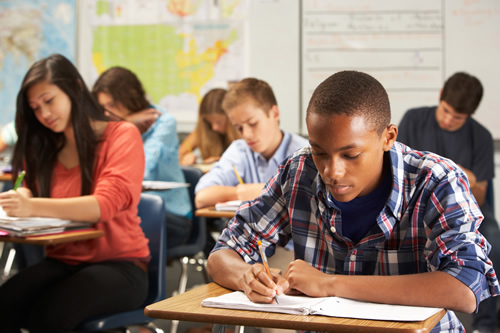
On a scholastic level, these neighborhoods encourage collaborative learning, enabling trainees to gain from diverse viewpoints and competence. Sharing expertise and sources within a community can lead to a lot more effective knowing end results and boosted academic performance.
Moreover, pupil areas supply a platform for individual growth and self-discovery. By engaging with peers from various histories and techniques, trainees obtain a more comprehensive worldview, enhancing their cultural capability and empathy. This exposure to varied viewpoints is very useful in developing important reasoning and analytical abilities.
Additionally, energetic participation in neighborhood tasks can improve students’ confidence and self-esteem. Handling leadership functions or joining conversations and events cultivates a feeling of success and belonging, which is essential for overall wellness and motivation.
Sorts Of Trainee Neighborhoods
Pupil areas come in various kinds, each accommodating different passions and objectives. These can be extensively categorized right into academic, social, entertainment, and specialist communities, among others. Each type supplies one-of-a-kind platforms and possibilities for pupil engagement.
- Academic Communities: These are generally focused around particular fields of study or academic rate of interests. Examples consist of study hall, honors societies, and department clubs.
- Social Communities: These groups focus on promoting social recognition and diversity, commonly organizing occasions and activities to celebrate different traditions.
- Recreational Areas: These consist of sporting activities teams, entertainment clubs, and hobby-based groups that provide a break from academic roughness and advertise physical and psychological health and wellness.
- Specialist Communities: These are focused on occupation growth, offering networking possibilities, workshops, and mentorship programs to prepare students for the specialist globe.
By determining and engaging with the ideal areas, students can customize their university experiences to line up with their interests and occupation aspirations, paving the way for a satisfying academic trip.
Constructing a Growing Trainee Community
Developing and preserving a flourishing student neighborhood needs effort and partnership from both students and educational institutions. It begins with promoting an inclusive atmosphere where all pupils feel invited and valued no matter their backgrounds.
Institutions can support this by giving resources and centers that urge interaction and participation. This consists of producing physical areas like student unions and online platforms that promote interaction and partnership. In addition, organizing events, workshops, and seminars can additionally enhance interaction, providing pupils with opportunities to connect and pick up from each various other.
Management and Student Participation
Reliable leadership is vital in nurturing a successful pupil community. Leadership roles within these neighborhoods offer trainees a chance to create and demonstrate their organizational and social skills. Trainees that think these duties add significantly to setting the tone and instructions of their areas, affecting their peers positively.
Motivating leadership and energetic participation among trainees not only strengthens the neighborhood but also encourages people, preparing them for future challenges. By fostering a culture of collaboration and assistance, student communities can grow, leaving a long-term impact on their members and the scholastic setting as a whole.