
Furthermore, support groups like Alcoholics Anonymous (AA) can provide a supportive community for individuals in early recovery. They may also benefit from behavioral therapy, such as cognitive behavioral therapy (CBT) and motivational interviewing (MI), to help them change their attitudes and behaviors related to alcohol use. Alcoholism is a disease that can take over a person’s life and leave them feeling hopeless. During this stage, most people focus their energy on coping with cravings and resisting the urge to drink. According to the National Institute on Alcohol Abuse and Alcoholism (NIAAA), recovery is a process that involves remission from AUD and quitting heavy drinking for good.
What is Alcoholism (Alcohol Use Disorder)?

Their brain is changing—and without help, there can be serious long-term consequences. In order to fully recover from alcoholism, attending a medical detoxing program, individual therapy, and group therapy sessions are vital. https://ecosoberhouse.com/ Luckily, alcoholism treatment centers offer treatment plans that include each of these important tools. With the combination of professional alcoholism treatment and sobriety maintenance, recovery is possible for anyone.
The Consequences of Alcoholism
The center is conveniently located in Houston, Texas, and is led by experienced master’s level counselors and medical professionals who specialize in personalized treatment for drug and alcohol abuse. Cirrhosis of the liverOur liver filters out harmful substances, cleans our blood, stores energy and aids in digestion. Too much alcohol can be toxic to liver cells, causing dehydration and permanent scarring—which ultimately affects the blood flow. With excessive alcohol consumption, this important organ can’t metabolize Vitamin D, which could develop into a deficiency. Some common signs and symptoms of cirrhosis include fatigue, itchy skin, weight loss, nausea, yellow eyes and skin, abdominal pain and swelling or bruising. Commonly, people believe the misconception of alcohol dependency and alcohol addiction is one and the same.
- More resources for a variety of healthcare professionals can be found in the Additional Links for Patient Care.
- With excessive alcohol consumption, this important organ can’t metabolize Vitamin D, which could develop into a deficiency.
- Go to an Al-Anon or Alateen meeting or set up an appointment with a mental health professional.
- But some people who drink face a risk of developing this chronic and progressive disease, which affects roughly 1 in every 8 Americans and contributes to about 88,000 deaths annually.
What Is the Jellinek Curve in Addiction and Recovery?

Additionally, this stage of alcoholism is when an individual will begin to identify a sense of emotional relief as an effect of alcohol. The journey from casual drinker to end-stage alcoholism is one that’s complex and unique to each person. Here, we discuss each stage of alcoholism, highlighting the pathway people take as their drinking progressively gets worse.

As the disease progresses to the middle stage, drinking continues to increase and dependency develops. Strong cravings for alcohol are typical at this stage, and drinking isn’t just for enjoyment anymore. Because the body has adapted to deal with an alcohol-rich environment, the alcoholic 5 stages of alcoholism physically needs it to avoid the painful symptoms of withdrawal. Problem drinkers may experience heightened depression, anxiety, or disturbances in sleeping patterns. Additionally, an individual may feel ill due to their drinking, however, enjoy the effects produced too much to stop.
- They’ll likely joke about their blackouts or mention they won’t drink that much again.
- Those in the end stage of alcoholism, or late or deteriorative stage, are consumed by their drinking.
- If they choose not to address their drinking problem, they’re likely to drink themselves into an alcohol-induced illness, such as cirrhosis or cancer.
- These drinkers have a drink in their hand at most or all social gatherings.
- These stages show how one goes from the beginning stages through to sustained recovery.
There were plenty of people who couldn’t control their drinking but doctors couldn’t explain why at the time. Many thought that drinking problems were the result of weak willpower or a lack of self-control. During the middle phase of the Jellinek Curve, a person’s struggle with alcohol will have become evident to friends and family. Those around the person may have noticed specific physical changes like facial redness, weight changes, sluggishness, and stomach bloating that come from the abuse of alcohol.
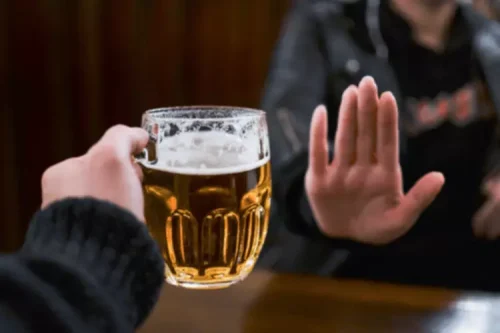
What puts people at risk for developing AUD?
The final stage of the Jellinek Curve occurs when the person’s health stabilizes after they stop drinking. The person in recovery has transitioned through detox and immediate treatment to maintain sobriety. They continue to practice sober living habits to change their lives and support their ongoing efforts to manage their alcoholism and regain their life.
Was this article helpful?

Leave a Reply